Klaus Hart Brasilientexte
Aktuelle Berichte aus Brasilien – Politik, Kultur und Naturschutz
Amnesty International und die Militärdiktatur Brasiliens(1964-1985), Willy Brandt. Erste „Urgent Action“ zugunsten des verhafteten und gefolterten Brasilianers Luiz Basilio Rossi 1973. Wer damals eng mit den Foltergenerälen kooperierte. James N.Green – Protestaktionen in den USA gegen Diktaturverbrechen in Brasilien.
The first Urgent Action is issued, on behalf of Professor Luiz Basilio Rossi, a Brazilian arrested
I knew that my case had become public, I knewt they could no longer kill me. Then the pressure on me decreased and conditions improved.
A Brief History of the Urgent Action Network
On December 10, 1972 (the 24th Anniversary of the signing of the Universal Declaration of Human Rights) Amnesty International initiated its Campaign for the Abolition of Torture. Its purpose was to arouse public consciousness throughout the world regarding the systematic use of torture by governments.
A little more than two months later, Amnesty would get its first opportunity to respond quickly to a situation: Luis Basilio Rossi, Professor of Brazilian History at São Paulo University, Brazil, was being tortured and his wife turned to the organization for help. A first „Urgent Action“ was issued to Amnesty International members and the professor was released. Professor Rossi is currently an active member of the UA Network. Later that year, on December 10, 1973, after extensive publicity and in an effort to provide specific directions for future activities, Amnesty International held its Conference for the Abolition of Torture in Paris. The conference produced a large number of recommendations and proposals for future action. (AI)
http://www.bundestag.de/dasparlament/2010/12/Beilage/006.html
Willy Brandt und sein Diktatur-Amtskollege José Magalhaes Pinto: http://www.hart-brasilientexte.de/2013/11/19/brasiliens-folter-diktatur1964-1985-mit-wem-bundesausenminister-willy-brandt-damals-bilaterale-vertrage-unterzeichnet-das-massaker-an-stahlarbeitern-unter-gouverneur-jose-magalhaes-pinto/
Nazi-Offizier Helmut Schmidt und der Holocaust:http://www.hart-brasilientexte.de/2017/02/14/der-weg-in-den-holocaust-die-zeit-unterschlaegt-in-ihrer-publikation-von-2017-just-die-rolle-des-langjaehrigen-mitherausgebers-der-spd-ikone-helmut-schmidt-kein-einziges-kapitel-ist-schmidt-al/
Helmut Schmidt/SPD – Mitherausgeber des Wochenblatts DIE ZEIT, 2015 gestorben – was alles in den Nachrufen fehlt:http://www.hart-brasilientexte.de/2015/11/10/helmut-schmidtspd-2015-gestorben-was-alles-in-den-nachrufen-fehlt/
Das Erbe der Diktatur in den Kasernen: http://www.hart-brasilientexte.de/2012/07/17/brasiliens-armeepolizei-unter-der-rousseff-regierung-schlage-zu-prugele-schlage-zu-bis-zum-tod-reis-den-kopf-ab-und-wirf-ihn-ins-meer-trainingsgesange-der-soldaten-in-rio-de-janeiro-laut-lan/
“Die vergessene Diktatur”: http://www.dradio.de/dlf/sendungen/kulturheute/941885/

Clarice Herzog und Waldemar Rossi 2011 auf Veranstaltung des Stadtparlaments zu Ehren von Kardinal Paulo Evaristo Arns.
„Tortures range from simple but brutal blows from a truncheon to electric shocks. Often the torture is more refined: the end of a reed is placed in the anus of a naked man hanging suspended downwards on the pau de arara [parrot’s perch] and a piece of cotton soaked in petrol is lit at the other end of the reed. Pregnant women have been forced to watch their husbands being tortured. Other wives have been hung naked beside their husbands and given electric shocks on the sexual parts of their body, while subjected to the worst kind of obscenities. Children have been tortured before their parents and vice versa. The length of sessions depends upon the resistance capacity of the victims and have sometimes continued for days at a time.“
– Amnesty International, describing the torture suffered by Brazilians at the hands of the military and the US-run Office of Public Safety (OPS) in the 1960s
In nicht wenigen deutschsprachigen Veröffentlichungen, darunter Büchern, wird die brasilianische Militärdiktatur auffälligerweise verharmlost.
James N. Green:
Das politische Umfeld des deutsch-brasilianischen Atomvertrags: http://www.ila-web.de/brasilientexte/2007/ciasekten.htm
http://www.history.umd.edu/Faculty/DWilliams/courses/Spring06/HIST471/Clergy.pd
f
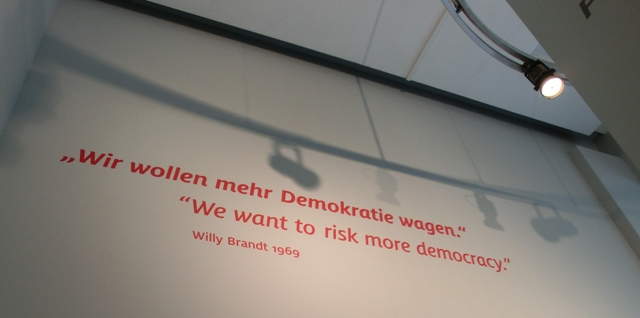
1969 – Jahr der Unterzeichnung des Kulturabkommens sowie des Wissenschafts-und Technologieabkommens mit der Folterdiktatur Brasiliens.
In deutschen Buchhandlungen, im mitteleuropäischen Mainstream findet sich eine Fülle von Publikationen zum Wirken von Willy Brandt und Helmut Schmidt. Zeitgeschichtlich Interessierte können dort rasch feststellen, ob und wie die hochinteressanten Beziehungen zum brasilianischen Folterregime entsprechend aufgearbeitet sind.
“Das Nazi-Gesicht der brasilianischen Diktatur”. “The Nazi Face of the Brazilian Diktatorship”. Brasiliens wichtigster Befreiungstheologe Frei Betto.
Kriegsverbrecher Gustav Wagner, stellvertretender Kommandant des KZ Sobibor, SS-Oberscharführer, berüchtigter sadistischer Judenmörder – von der Militärdiktatur Brasiliens nicht ausgeliefert: „Die deutsche Regierung stellte ebenfalls ein Ersuchen auf Auslieferung, das jedoch vom Obersten Gerichtshof Brasiliens am 22. Juni 1979 zurückgewiesen wurde.“ Wikipedia
Willy Brandt und sein Diktatur-Amtskollege José Magalhaes Pinto: http://www.hart-brasilientexte.de/2013/11/19/brasiliens-folter-diktatur1964-1985-mit-wem-bundesausenminister-willy-brandt-damals-bilaterale-vertrage-unterzeichnet-das-massaker-an-stahlarbeitern-unter-gouverneur-jose-magalhaes-pinto/
Heinrich-Böll-Stiftung: „Im Juni 1968 erklärte Außenminister Willy Brandt in Brasilien die Bereitschaft der Deutschen, Brasilien mit Nukleartechnik zu versorgen.“ (Wurden Sie gefragt?)
Brasiliens katholische Kirche im Widerstand gegen die Militärdiktatur-
viele Geistliche gefoltert und ermordet – sexuelle Gewalt sogar gegen Ordensschwestern
Massenvergewaltigungen, Sadismus jeder Art
Nationale Wahrheitskommission enthüllt bisher verschwiegenen Repressions-Horror
Oppositionelle Geistliche werden totgefoltert, Regimegegnerinnen, darunter Ordensschwestern, auf perverseste Weise sexuell mißbraucht, immer wieder vergewaltigt. Jene, die jetzt vor der Wahrheitskommission aussagen, haben sichtlich das vor mehreren Jahrzehnten Erlittene psychisch und körperlich keineswegs verkraftet.
Im Vergleich zu Chile oder Argentinien war Brasiliens Militärregime direkt harmlos, lauten indessen auch in Europa gängige Urteile, begründet mit bemerkenswert niedrigen amtlichen Opferzahlen: Gerade mal 376 Menschen seien in den 21 Jahren der Generalsherrschaft durch Diktaturangehörige getötet worden – im benachbarten Argentinien dagegen zwischen 11000 und 30000. Brasiliens katholische Menschenrechtsaktivisten, die Folter und Verfolgung überlebten, haben die offiziellen Zahlen stets als absurd niedrig eingestuft – und als pervers geschönt. Das Militärregime, so der mehrere Jahre eingekerkerte Dominikaner Frei Betto, Brasiliens wichtigster Befreiungstheologe, sei schließlich nazistisch-antisemitisch gewesen – und entsprechend vorgegangen.
Während in Argentinien, dem Land des neuen Papstes, die Vergangenheitsbewältigung zügig vorankommt, mehrere Tausend hohe Diktaturoffiziere abgeurteilt werden, ein Teil bereits hinter Gittern sitzt, wußten Brasiliens politisch einflußreiche Militärs derartiges bisher zu verhindern. Erst jetzt, und eigentlich viel zu spät, kann eine Nationale Wahrheitskommission gegen den Druck des starken rechtsextremen Lagers wenigstens ermitteln, wird fast sofort fündig, rückt sicher auch bei europäischen Christen mancherlei Klischeevorstellungen über Brasilien zurecht: Bereits im Putschjahr 1964 über 50000 Verhaftete, systematisches „Verschwindenlassen“ von Regimegegnern.
In Amazonien verliert ein einziger Indianerstamm durch die Repression mindestens 2000 Angehörige – Hinweis darauf, wie kräftig jene amtlichen Opferzahlen nach oben „korrigiert“ werden dürften. Da der Wahrheitskommission auch katholische Regimegegner angehören, werden oberflächliche Fehlurteile fallen, die Kirche sei damals, etwa verglichen mit Argentinien, recht glimpflich davongekommen.
„Sie haben unsern Padre Henrique gefoltert und ermordet, gleich darauf einen katholischen Studentenführer erschossen“, schildert Ordensschwester Maria Zelina Leite den Diktatur-Terror damals in ihrer Heimatstadt, dem nordöstlichen Recife. „Erzbischof Dom Helder Camara, eine der Symbolfiguren des Widerstands, führte den Trauerzug von über 10000 zur Beerdigung von Padre Henrique an. Soldaten sprangen von Militär-LKW, prügelten auf uns ein. Doch Dom Helder Camara war regelrecht genial, wußte ein Blutbad und Verhaftungen zu verhindern, instruierte auf dem Friedhof die Regimegegner, den am Eingang lauernden Soldaten nicht ins offene Messer zu laufen.“
Vor dem Bischofssitz stehen rund um die Uhr Schergen der Foltergenerale, sollen all jene einschüchtern, die es wagen, Dom Helder Camara und seine Mitarbeiter der Kurie aufzusuchen. „Er appelliert damals an die Militärs: Verhaftet mich, aber laßt meine Priester in Ruhe! Wegen des vorhersehbaren Welt-Echos kerkern sie den Erzbischof nicht ein – halten sich an die Geistlichen.“
Aber ging das denn so leicht? Ivone Gebara, Ordensschwester, Mitglied der Wahrheitskommission: „Man erklärte regimekritische Padres einfach zu Kommunisten – oppositionelle Ordensschwestern zu Kommunistinnen. Auch die Katholische Arbeiterjugend JOC und die katholische Studentenbewegung JEC waren im Widerstand – wurden verfolgt.“ Klassisch ist ein Ausspruch von Dom Helder Camara aus dieser Zeit: ”Wenn ich den Armen zu essen gebe, nennt man mich einen Heiligen. Doch wenn ich frage, warum sie arm sind, nennt man mich einen Kommunisten”. Der Erzbischof überlebt mehrere Attentate, sein Sekretär, der Priester Antonio Pereira Neto, wird ermordet.
Ivone Gebara und Maria Zeline Leite aus Recife werden Anfang 2013 auf einer Anhörung im Parlament des Teilstaats Sao Paulo noch einmal sehr schmerzhaft an ein besonders finsteres Diktatur-Kapitel, das perverse Foltern von Frauen, erinnert. Neben Paulo Sergio Pinheiro, Leiter der Wahrheitskommission und angesehener UNO-Sonderberichterstatter für Menschenrechtsfragen, spricht Maria Amélia de Alkmeida Teles: „Vor meinen Augen haben sie einen Widerstandskämpfer ermordet – meinen Mann ins Koma gefoltert. Sie haben meine schwangere Schwester verhaftet und gefoltert. Ich war mehrfach Opfer sexueller Gewalt. Wir weiblichen Regimegegner wurden ja stets nackt verhört. Ich erlitt Elektroschocks, wie die anderen auch, an den Geschlechtsteilen. Meine kleinen Kinder mußten zusehen. Ich war voller Urin, voller Kot. Mein kleiner Sohn fragte: Warum bist du am ganzen Körper blau, warum ist der Vater jetzt grün? Er war im Koma. Ja, mein ganzer Körper war blau von den vielen Hämatomen.“
Auch die Widerstandskämpferin Marise Egger schilderte gegenüber der Wahrheitskommission die erlittene sexuelle Gewalt. „Die Elektroschocks ließen mein Brustgewebe absterben, sodaß ich später meine Tochter nicht mehr stillen konnte.” Laut Marise Eggers wird auch heute noch in Brasiliens Polizeiwachen mit sexueller Gewalt gefoltert.
Fotos auf Flugblättern machen zur Diktaturzeit die Runde, die populäre Padres mit Ordensschwestern nackt in Stundenhotel-Betten zeigen. Was war da passiert? Um die katholische Opposition zu diskreditieren, werden engagierte Priester von der Geheimpolizei entführt und unter Drogen gesetzt, mit Ordensschwestern unbekleidet fotografiert.
1976 trifft es sogar den als „Roten“ beschimpften Bischof Adriano Hipolito bei Rio de Janeiro. Zunächst will man ihn zwingen, Zuckerrohrschnaps zu trinken – wohl um dann einen total betrunkenen Bischof ablichten zu können. Doch Hipolito wehrt sich erfolgreich, wird geschlagen, völlig entkleidet, komplett mit roter Farbe beschmiert und in den Staub einer abgelegenen Straße geworfen. Das Regime druckt und verbreitet gefälschte Diözesezeitungen, die enorme Konfusion in den kirchlichen Bewegungen bewirken – Bischof Hipolito bleibt nichts anderes übrig, als das Blatt einzustellen. In die Kathedrale werden immer wieder Bomben geworfen, die sogar das Allerheiligste zerstören.
Weit abgelegen in Amazonien, will die Diktatur gar einen Bischof ermorden: Neofeudal herrschende Großgrundbesitzer, deren mittelalterliche Sklaverei bringen den Katalanier Pedro Casaldáliga derart auf, daß er mit gesunder Radikalität für christliche Werte, die Menschenrechte ficht. Während der 21 Diktaturjahre wird er von seinen Beschattern unter dem Codewort „Palito eletrico“, verrückt-elektrisierter Zahnstocher, geführt. Treffend gewählt. Denn Casaldáliga ist dünn, energiegeladen, hochaktiv. Rasch wird er wie Dom Helder Camara zu einem Symbol des Widerstands, bestgehaßt von den Machteliten. In Sao Felix de Araguaia schildert er auf der schlichten Holzbank vor der „Bischofsresidenz“, einer kleinen Kate an einem Schlammweg, das bedrückendste Diktatur-Erlebnis:“Als ich 1976 mit Priester Joao Bosco Burnier in einer Polizeiwache gegen die schon von weitem zu hörende sadistische Folterung zweier Frauen protestiere, halten Militärpolizisten ihn, und nicht mich, für das seit Wochen eingekreiste Opfer.“ Denn Padre Burnier wirkt weit mehr als der sportlich-quirlige Casaldáliga wie ein Bischof. „Erst schlagen sie ihm mit dem Gewehrkolben auf den Kopf, dann fallen Schüssen, ein Dum-Dum-Geschoß durchschlägt seine Stirn – Burnier fällt neben mir zu Boden, stirbt kurz darauf.“
Weil Diktatursoldateska sein Häuschen umstellt, lebt er dort häufig wie ein Gefangener. Kein anderer Geistlicher Brasiliens hat wohl so viele Extremsituationen erlebt – die daraus resultierende Radikalität wird selbst in Rom gelegentlich mißverstanden. „Ich diskutierte dort sogar mit Kardinal Ratzinger“, sagt er schmunzelnd..
In der südlichen Megacity Sao Paulo bringt 1980 der Besuch von Papst Johannes Paul dem Zweiten die Foltermilitärs in arge Schwierigkeiten. Alarmiert vom dortigen deutschstämmigen Stadt-Erzbischof Paulo Evaristo Arns ebenso wie von Casaldáliga, will sich der Papst vor Ort informieren, trifft sich mit den Arbeitern der Industriebetriebe im überfüllten Morumbi-Fußballstadion. An seiner Seite, zum Ärger des Repressionsapparats ausgerechnet der populäre Regimegegner Waldemar Rossi als Sprecher der Fabrikarbeiter. „Da mich die Geheimpolizei nicht ins Stadion lassen will, gibt mir Arns seine Bischofs-Sondererlaubnis, mit der ich doch noch hineinschlüpfen kann.“ Rossi hatte zuvor barbarische Folterungen überlebt:“Sie haben mich wie bei Hitler die SS mit der Papageienschaukel-Methode traktiert, den Kopf nach unten, an einer Eisenstange aufgehängt, dazu Schläge, stundenlang Elektroschocks. Als der Erzbischof davon erfährt, schaltet er den Vatikan ein, macht Druck, holt mich und andere Eingesperrte heraus, besucht uns vorher sogar in der Zelle.“ „Dom Paulo“ gründet mitten in der Diktaturzeit Brasiliens erste katholische Kommission für Gerechtigkeit und Frieden, bringt später das weltweit Aufsehen erregende Buch „Brasil – nunca mais“ über die Diktaturverbrechen heraus. Todesschwadronen ermorden damals Ungezählte vor allem in den Elendsvierteln der Großstädte, politische Gefangene werden den Haien lebendig zum Fraß vorgeworfen oder über Amazonien aus Helikoptern gestoßen. In Stücke gehackt, verscharrt man Diktaturgegner selbst an Traumstränden Rio de Janeiros. Die Diktatur erlaubt dem Internationalen Roten Kreuz nicht den Zugang zu den Gefängnissen. Doch Diktator Medici erklärt, es gebe keine politischen Gefangenen. Laut Weltkirchenrat existieren mindestens 242 Folterzentren, gehöre zu den Taktiken, Oppositionelle in Gegenwart ihrer Ehepartner, teils sogar ihrer Kinder zu foltern.
1975 ermorden die Militärs in Sao Paulo den jüdischen Journalisten Vladimir Herzog, stellen es offiziell als Selbstmord hin.
Arns ruft in Sao Paulo zu einer ökumenischen Trauerfeier in die Kathedrale, zelebriert mit Erzbischof Dom Helder Camara und zwei Rabbinern die Messe, die mit etwa 8000 Teilnehmern zu einem Fanal des Protestes gegen die Folter-Diktatur wird.
Ganz seinem Temperament entsprechend, dringt der Erzbischof bis in Generalstab und Kasernen vor, stellt hohe Offiziere heftig zur Rede.
In Rio de Janeiro dagegen hat der höchste katholische Würdenträger Eugenio Sales den Beinamen „Kardinal der Diktatur“, gilt als unterwürfiger Generals-Kollaborateur, Schande für die ganze Kirche.
Erst über ein Jahrzehnt nach Regimeende müssen sich auch viele linke Widerständler unter dem Druck der Fakten korrigieren. Als Bischof in seiner Nordostheimat wird Sales ebenfalls als „Roter“ beschimpft, weil er weitreichende Sozialprogramme startet, beim Gründen von Gewerkschaften hilft. Wertkonservativ und eher zurückhaltend im Auftreten, agiert Kardinal Sales in den Diktaturjahren anders als Arns diskret, aber hocheffizient, hält sich Gesprächskanäle zu den Diktatoren offen. In Rio de Janeiro organisiert er Asyl für mindestens 5000 Verfolgte der Diktaturen in Chile, Argentinien und Uruguay, mietet für sie auf Diözesekosten sogar Wohnungen an, baut mit der Caritas ein Hilfenetz auf. Überliefert ist ein Sales-Telefongespräch mit dem Diktaturgeneral Silvio Frota: „Wenn Sie die amtliche Mitteilung erhalten, daß im Bischofspalast Kommunisten untergebracht seien, ich Kommunisten schütze, sollen Sie wissen, daß dies wahr ist – ich bin dafür verantwortlich. Und Punkt. Wiederhören.“
Sales, stellt sich später heraus, erreicht die Freilassung von „Subversiven“, besucht die politischen Gefangenen der Hochsicherheitsgefängnisse, wird zu deren Sprecher und Vermittler. „Der war konservativ, aber integer“, lauten Urteile über den inzwischen verstorbenen Kardinal. Die Vorwürfe sind verstummt.
Ob die Wahrheitskommission vollen Erfolg hat? Schon klagt sie an, daß die geheimen Archive der Streitkräfte weiter unzugänglich bleiben – „mitten in der Demokratie“…
2014 Verlängerung des Bonner Atomvertrags mit den Folterdiktatoren? http://www.hart-brasilientexte.de/2013/11/26/brasiliens-militardiktatur-der-atomvertrag-mit-bonn-von-1975-brasilianische-organisationen-mobilisieren-gegen-verlangerung-2014-willy-brandt-helmut-schmidt-hans-dietrich-genscher-und-die-bilater/
Die “Willy Brandt School of public policy” an der Universität in Erfurt – was im Angebot der Institution fehlt:
Search results
Search for “willy” and “brandt” and “brasilien”
NO results found.
Search results
Search for “willy” and “brandt” and “ernesto” and “geisel”
NO results found.
Diskussion mit Minister Matschie “Mehr Gerechtigkeit wagen – Willy Brandts Globales Engagement”
06.12.2013 16:24

Zum 100. Geburtstag Willy Brandts laden die Willy Brandt School of Public Policy und die Friedricht-Ebert-Stiftung (Thüringen) zu einer Diskussion mit Christoph Matschie (Thüringer Minister für Bildung, Wissenschaft und Kultur, stellvertretender Ministerpräsident und Landesvorsitzender der SPD) zu einer Diskussion mit Studierenden zum Thema “Mehr Gerechtigkeit wagen – Willy Brandts Globales Engagement” ein.
Willy Brandt ist eine Ikone des 20. Jahrhunderts. Während seines langen politischen Lebens ist er Vielen ganz Unterschiedliches gewesen – radikaler Sozialist, politischer Dissident, Exilant, Multinationaler, Sozialdemokrat, Atlantiker, Pan-Europäer, Kalter Krieger, Friedensaktivist, Pragmatiker, Idealist, Warner und Visionär. Mit der Ostpolitik, dem Bekenntnis zur stetigen Demokratisierung, seiner entwicklungspolitischen Arbeit in der Nord-Süd Kommission und seiner Friedenspolitik hat er nachhaltige Akzente für politisches Denken und Handeln gesetzt, Türen geöffnet und Horizonte geweitet. Was bedeutet Willy Brandts globales Engagement heute? Was bedeutet es jungen Menschen, die in der heutigen Welt leben und mit neuen Herausforderungen umgehen müssen?
Weitere Informationen finden Sie hier.
Helmut Schmidt 95: http://www.hart-brasilientexte.de/2014/01/19/helmut-schmidt-95-was-alles-fehlt-in-den-wurdigungen/
SPD-Politiker Andreas von Bülow:
« Brasilien und Tourismus: „Fehlende Sicherheit ist der Aspekt, der am meisten Touristen von Brasilien fernhält.“ Unternehmer Benjamin Steinbruch in Folha de Sao Paulo. – Freiheiten in Brasilien – und in Deutschland. Manche merken den Unterschied. »
Keine Kommentare
Bisher gibt es keine Kommentare.
Die Kommentarfunktion ist zur Zeit leider deaktiviert.
NEU: Fotoserie Gesichter Brasiliens
Links zum Thema Ukraine
Fotostrecken Wasserfälle Iguacu und Karneval 2008
 '
'

interessante Links
Seiten
Ressorts
- Kultur (6.975)
- Naturschutz (1.101)
- Politik (12.729)
Suchen
RSS-Feeds
Verwaltung